The modern customer journey is fragmented across multiple channels.
A customer may first see your product on TikTok, then research it on their computer, and finally visit your store in person. If your channels aren’t connected and consistent, your brand fails to resonate at half those touchpoints.
An omnichannel marketing strategy solves this problem. It ensures your brand appears consistently, with the right message and context, at every step of the customer journey.
In fact, companies with strong omnichannel strategies keep 89% of their customers, while those with weaker strategies retain only 33%, according to research by Invespcro.
In this guide, you’ll learn exactly what omnichannel marketing is, why it has become a business imperative, and how to build a strategy from the ground up with examples of leading brands.
What is Omnichannel Marketing?
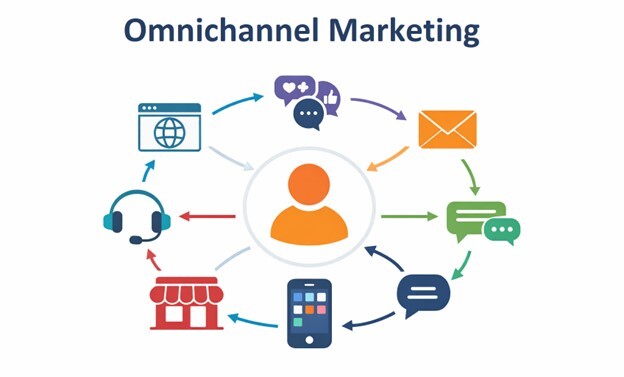
Omnichannel digital marketing is a strategy that puts the customer at the center and connects all of a company’s communication channels into one smooth experience. These channels include a website, social media platforms, email, text messages (SMS), mobile apps, physical stores, and customer service.
In his interview, Author Talks, Philip Kotler, Professor Emeritus, Kellogg School of Management, explains this well:
“We need omnichannel. We need to make sure that we develop the channels around the customer and that everything is seamlessly integrated.”
Why does it matter? Research from McKinsey & Company shows that more than 60% of consumers use multiple channels when shopping. This means omnichannel marketing services are now a common expectation for customers, not a new or specialized idea.

Omnichannel vs Multichannel Marketing: What’s the Difference?
Most businesses today operate on multiple channels, but that alone doesn’t make them omnichannel. The key difference is how these channels work together.
Multichannel Marketing
Multichannel marketing means your business is present on different platforms so customers can find you in more than one place. However, all the channels work independently of each other and do not rely on real-time data about customer preferences. This offers customers an isolated experience of your brand across different touchpoints.
Omnichannel Marketing
Omnichannel marketing is about ensuring those platforms actively communicate with each other in real time to deliver a unified customer experience. So, instead of aiming to meet customers across different channels, it ensures they get a consistent experience based on their entire customer journey.

Example
For example, let’s consider a fitness equipment brand. A customer abandons their cart and receives a follow-up email referencing those exact items. Later that day, an Instagram retargeting ad surfaces the same products. They might also receive an SMS about a limited-time discount, tied to that same cart. Although the platforms are different, the messaging remains consistent and tailored to the customer experience.
A multichannel brand may run all three of those channels, too. But the customer gets disconnected messages with no shared context, which feel confusing and less personal.
Why an Omnichannel Marketing Strategy Matters in 2026
An omnichannel marketing strategy helps you provide a consistent and more personalized brand experience across all marketing channels. This translates into increased lifetime value of your customers and ultimately, higher revenue and sales.
Let’s review the key factors that drive its importance.
Multiply Your Reach
Campaigns that use 3 or more channels see about 287% higher purchase rates compared to single-channel efforts, according to data from Omnisend. So, focusing on just one or two channels may seem simpler, but it limits your results and reduces potential sales.
Customers Use More Touchpoints
The average shopper engaged with nearly 11.1 touchpoints in 2025 before making a purchase compared to just 8.5 touchpoints in 2021, according to research by NP Digital. This shows that the buying process is longer and more complex, and each interaction affects the customer’s decision.
Higher Customer Lifetime Value
Customers who shop both online and in physical stores spend about 30% more over time than customers who use only one channel, according to InvespCRO. Multi-channel shoppers also provide 1.5 times more lifetime value than those shopping from one channel, according to a survey by Manhattan Associates. This demonstrates that an integrated approach not only increases immediate sales but also improves long-term customer value.
After understanding these numbers, the next step is deciding which channels to combine and how to connect them effectively.
The Core Channels Driving Omni-Channel Digital Marketing Today
Effective omni-channel digital marketing helps you connect the right channels so they work together to unify customer experience everywhere your brand appears. You can think of it as a system that links digital and physical experiences. Each channel has a clear role, but all of them share data and context. And while these channels are helpful in isolation, they create a much stronger customer experience when connected.
Digital Touchpoints for Omnichannel Marketing
Digital touchpoints include all the ways customers interact with your brand online. These help you generate data to understand customer behavior and guide their next steps. Common digital channels include:
- Website and SEO: For example, a business targeting customers in Florida can use local SEO services in Florida to make sure people searching online find accurate, consistent content that seamlessly continues their journey.
- Paid Search (SEM): Paid search ads reach customers who are actively looking for a product or service. These ads appear at the moment customers are ready to decide, helping move them from interest to purchase.
- Email: You can send a follow-up email after someone browses a product or abandons a cart, encouraging them to continue their journey.
- SMS: Very high open rates. They work best for important and time-sensitive updates, such as order confirmations, delivery notifications, or limited-time offers.
- Social Media: A social media marketing service helps you generate initial brand awareness while re-engaging existing customers through personalized retargeting.
- Mobile App: Creates a direct connection with your most loyal customers. It collects useful data about their browsing and purchase habits, which can improve marketing across all channels.
Physical Touchpoints for Omnichannel Marketing
Physical touchpoints are the in-person or offline ways customers interact with your brand. These experiences should connect with your digital data to provide a consistent and seamless customer journey.
Here’s what they include.
- In-Store Experience: If a customer checks product availability online, store staff should have that information to provide a smooth experience.
- Customer Service or Call Centers: A critical touchpoint that must have full visibility into a customer’s digital history to avoid friction.
- Direct Mail: A high-impact channel for re-engaging customers who have not interacted with your brand recently.
No matter which channels you choose, make sure to select them based on where your customers spend their time, and not just because they are available or easy to implement.
How to Build a Winning Omnichannel Marketing Strategy: 6 Actionable Steps
A strong omnichannel marketing strategy is not about adding more channels. It is about making better decisions with the channels you already use. Here is how to do it effectively.
1. Unify Your Customer Data First
Your channels won’t work together if your data doesn’t. To combine your customer data, you can use a Customer Data Platform, or CDP, to bring together behavioral data (such as website activity), transactional data (such as purchases), and demographic data (such as age and location) into one complete customer profile. That way, every channel has the context it needs to communicate effectively.
Also, make sure to unify your data before expanding your marketing channels. According to Joanna Milliken, CEO of SAP Engagement Cloud:
“In order for marketers to deliver a seamless experience, they need a seamless experience themselves. Marketers want to spend less time configuring, and more time strategizing and differentiating.”
2. Map Real Customer Journeys
Many companies create journey maps based on assumptions instead of the actual behavior of their customers down the funnel. Instead, use actual data. You’ll want to review session recordings, track where customers leave your website, analyze purchase history, and study customer support interactions.
Your goal is to clearly see where customers move between channels, for example, from a website to a mobile app. Also, understand where they lose information or face confusion. Once you identify the marketing gaps, you can fix them before they lead to lost sales.
3. Segment and Personalize at Scale
Divide your audience into clear groups based on behavior, buying intent, stage in the customer lifecycle (such as new, active, or returning), and demographics. Then create content that fits each group and each channel.
For example, an email campaign for new customers should differ from a mobile notification sent to repeat buyers. Also, a message that works in an email may not work the same way in a mobile notification.
4. Align Messaging Across Every Channel
Consistency is more than just using the same logo or colors. It includes the offers you make, the tone of your communication, and the timing of messages. For example, if a customer sees a 20% discount on Instagram but then receives a different offer by email, it creates confusion instead of a seamless experience.
Here’s what you can do to avoid this:
- Set up clear internal processes
- Use a shared campaign calendar
- Maintain one central source of truth for all active promotions
- Establish approval steps before any message goes live on any channel.
5. Coordinate Paid and Organic Marketing
The next thing you want to do is ensure your paid advertising and organic marketing strategies work together. For example, paid search campaigns are most effective when they capture customers who are already familiar with your brand through organic search, social media, or display campaigns. Paid ads help move customers from awareness to conversion, but only if they are based on insights from all your other channels.
6. Measure, Test, and Iterate
Relying only on last-click attribution shows which channel got the final click, but it does not reveal which channels built the trust that led to the purchase. Instead, use a multi-touch attribution model. This gives credit to every meaningful interaction along the journey.
Also, define clear KPIs for each channel. For example, track engagement for social, conversion rates for search, and retention for email. Finally, review performance regularly. Quarterly audits can help you catch underperforming areas before they waste budget.

Omnichannel Marketing Examples of Brands Doing it Right
Some brands have gone way beyond just being present on multiple platforms. They’ve built fully integrated systems where every touchpoint leads naturally to the next. Let’s take a look at a few standout examples.
Starbucks: Loyalty as a Revenue Engine
Starbucks combines its mobile app with the Rewards program so customers can order, pay, and earn points all in one place. The app sends personalized offers based on past purchases, location, and even the weather. In the first quarter of 2025, Starbucks had 34.6 million active U.S. Rewards members. This shows that using customer data effectively can increase revenue, not just keep customers coming back.
Nike: Personalized Lifestyle Ecosystem
Nike has built a connected lifestyle system by linking its apps, such as Nike, Run Club, Training Club, and SNKRS, with its physical stores. This allows customers to reserve products online, track their orders, receive recommendations tailored to their interests, and enjoy exclusive perks.
Inside the stores, “Trial Zones” gather data on how products are used, which helps improve the digital experience for shoppers. Also, people who join NikePlus spend about three times more than those who do not. This shows that combining digital tools with real-world engagement encourages customers to interact more and buy more.
Sephora: Virtual Try-On with Expert Advice
Sephora combines AR tools and its in-store expertise to make trying products easy anywhere. Its Virtual Artist tool lets people try makeup online, while the app provides product reviews, tutorials, and consultations from professionals.
Also, their Beauty Insider program keeps track of each shopper’s preferences and purchases made online and via their in-store channels. It then delivers personalized recommendations, early access to new products, and invitations to special events. The goal is to give every customer a VIP experience.
Final Words
A successful omnichannel marketing strategy connects every customer touchpoint, including its website, social media pages, email campaigns, text messages, and physical stores, into one coordinated experience. Companies that do this effectively keep customers longer, encourage more frequent purchases, and see measurable growth in revenue.
If you are ready to put your marketing plan into action, having the right partner can make a huge difference. PNC Logos is a full-service digital marketing agency in Orlando. We help businesses like yours create and implement strategies with clear results. Our team handles everything from SEM to SEO and social media marketing campaigns. Talk to our team now to ensure that all your marketing channels work together as one effective system.