Have you ever wondered why McDonald’s golden arches or Facebook’s blue are instantly recognizable without reading the brand name?
That’s logo color psychology at work!
Color psychology in logo design means that different hues can affect how people feel and what they buy. It’s true! According to the University of Loyola, Maryland, color enhances brand recognition by as much as 80%, making it one of the most powerful branding tools.
So, how does color psychology work? This guide explores brand logo color psychology in detail. Based on that, you can choose colors that truly represent your brand and resonate with your audience.
What is Logo Color Psychology?
Logo color psychology is the study of how logo colors affect the way a brand is perceived by its customers. Essentially, it is about the mental and emotional responses people have when they see specific colors in a business’s brandmark or logo.
Color psychology in branding makes colors powerful tools to evoke certain emotions in customers. The goal is to convey a specific brand image or communicate its core values through its visual identity. Moreover, color psychology is not personal. It can evoke universal responses that are common in most people. As a result, brands can indirectly influence a specific group of people or their target audience and drive their purchase decisions.
The Importance of Color Psychology in Logo Design
Understanding the psychology of color in logo design is only valuable when you know why it matters in real-world branding. Here’s how research explains why the choice of logo color can directly affect brand perception.
1. Color Drives Instant Brand Decisions
Research from the University of Loyola, Maryland, shows that people form judgments within 90 seconds of interaction, and 62–90% of that decision is based on color alone. For logos, this means color heavily influences first impressions before people register messaging or other marketing design details.
3. Color Strongly Influences Purchase Behavior
Data analyzed by WebFX indicates that around 85% of consumers say color is the primary reason they choose a specific product. Strategic logo color psychology directly supports conversions by aligning emotional cues with consumer expectations and desires.
4. The Brain Processes Color Before Conscious Thought
Neuroscientific studies show the brain isolates color as a signal within 80 to 120 milliseconds of exposure. Further research on color psychology and neuroscience by Wiley Online Library confirms that color can affect mood, heart rate, and hormone levels. These findings make logo colors powerful emotional triggers at a biological level.
Understanding Logo Color Theory Fundamentals
Now that you understand the brand color palette psychology, let’s explore the technical foundation that makes it work. Color theory provides the framework for combining colors effectively and creating palettes that support your brand message.
The Color Wheel and Your Brand Identity
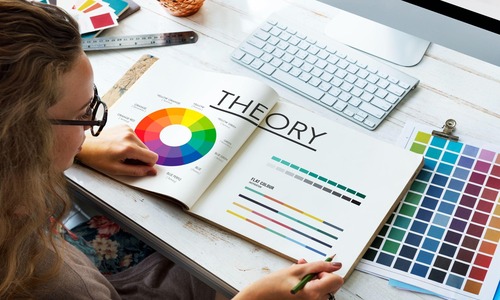
The color wheel is your essential tool for understanding how different colors work together. It has three primary colors at its centre, including red, yellow, and blue. These are foundational colors that cannot be created by combining other colors. But they can merge to create new shades called secondary colors, such as orange, green, and purple. Finally, when you mix primary and secondary colors together, you get tertiary colors.
Besides this basic structure, color theory divides shades into two main categories: warm and cool. Warm colors give rise to feelings of energy, passion, and excitement. In contrast, cool colors such as blue, green, and purple evoke feelings of calmness and trust. In logo design, this distinction means warm colors can make your brand feel approachable and welcoming. Similarly, cool colors in the logo give the brand a sense of stability and authority.
Building Your Logo Color Palette
Most successful logos use a strategic color palette rather than a single color. Typically, this palette includes three elements:
- A primary color that dominates your logo
- A secondary color that provides support
- And an accent color for highlights.
Additionally, complementary colors, which are those opposite each other on the color wheel, can be used to create contrast and a strong visual impact. Some examples of complementary colors are blue and orange or red and green. Thus, they can form powerful color combinations. In contrast, colors that sit next to each other on the wheel are called analogous colors, and are great for creating more harmonious and cohesive logo designs.
The Psychology of Different Logo Color Meanings
With color theory fundamentals in place, let’s understand how different colors affect customer psychology. Each color carries distinct emotional associations and triggers specific responses in viewers. Here’s a quick color psychology chart to help you see how colors can affect emotions.

Now, let’s explore the meanings of different colors, so you can know what colors are good for logos and how to choose the best logo colors for your brand.
Red: Energy and Urgency
Red is the most emotionally intense color in the spectrum. It has the power to immediately capture attention and stimulate physical reactions, such as increased heart rate and heightened alertness. Emotionally, this color is a symbol of passion, excitement, and urgency.
Moreover, red is also associated with increasing appetite. That’s why you will see this color appear frequently in restaurant logo color psychology. Some great examples are brands like McDonald’s, KFC, and Coca-Cola. These companies use red to encourage appetite and make the audience feel energetic. Additionally, red works exceptionally well for entertainment brands, sports teams, and energy drinks.

Blue: Trust and Professionalism
According to Canva, blue is the most dominant color used by Fortune 500 companies. And it dominates business logo color psychology for one compelling reason: credibility. Blue can evoke feelings of reliability and trust, according to a study published on ResearchGate. This explains why financial institutions, technology companies, and healthcare providers overwhelmingly choose blue for their logos.
Another appealing aspect of the color blue is its calming effect on people. In fact, according to a study by Bukidnon State University, the blue color can significantly reduce stress levels. Therefore, it can make people feel more comfortable when engaging with your brand. Companies like Facebook, IBM, PayPal, and Chase Bank use blue to communicate stability and dependability. Learn more about red vs blue logos and how to choose the right one.

Yellow: Optimism and Accessibility
Yellow is the most visible color in the spectrum. It is the symbol of optimism and energy. Research by La Sierra University shows that yellow increases mental activity and generates feelings of happiness and optimism. That’s why you can see this color frequently on school buses and warning signs.
In food logo color psychology, yellow pairs perfectly with red to make the food look more appealing, such as in McDonald’s golden arches. Yellow also works effectively for brands targeting families and children because it feels cheerful and welcoming.

Green: Growth and Sustainability
In color psychology for marketing, green is the color commonly associated with nature. This makes it the obvious choice for brands that value health and environmental responsibility. And it’s because our brains associate green with growth and vitality, as we see it constantly in plants and landscapes.
Furthermore, green can also stand for prosperity and wealth, especially in Western cultures where money is green. This dual meaning makes green a versatile choice for both financial services and organic food brands. For example, Starbucks uses green to show its commitment to ethical sourcing. Meanwhile, Chime uses it to position the brand as a provider of great financial services.

Orange: Enthusiasm and Creativity
When you combine red’s energy and yellow’s happiness, you get a friendly and creative orange color. This hue is perfect for brands that want to appear approachable yet dynamic. Since it is a secondary color, orange pairs well with any primary color in logo design.
Additionally, orange is an appealing color for impulse buyers. This makes it valuable for retail and e-commerce platforms. For example, technology companies like Amazon and Firefox use orange to convey the message of innovation and forward-thinking. At the same time, it creates a sense of urgency for buyers. Similarly, sports brands use orange for its association with activity and competition.

Purple: Luxury and Wisdom
Purple historically represented royalty and wealth. That’s because purple dye was extremely rare and expensive to produce. Given this association, purple remains the go-to color for luxury brands and premium products. It stands for sophistication and exclusivity.
Additionally, purple stimulates creativity and imagination. Since it is made by combining red’s intensity with blue’s calmness, it feels both inspirational and thoughtful. That’s one of the reasons brands like Hallmark and Yahoo use purple in their logo.

Black & White: Sophistication and Timelessness
Black is the color we often associate with power and elegance. It is the most contrasting color, which gives an opening for other colors to shine and appear more vibrant. You can see it in luxury brand logos like those of Chanel, Prada, and Nike.
On the other hand, white gives off a sense of simplicity and cleanliness. For example, Apple skillfully uses white to communicate minimalist design and innovation. Together, black and white colors create memorable logos that work, almost, with any audience. These colors are also easy to adapt across different media.
Key Steps for Building an Effective Logo Color Palette
Applying color psychology in modern logo design requires a systematic approach. Choosing your logo colors shouldn’t be a purely aesthetic decision. Instead, align your color choices with your brand strategy. Here are the steps for building the right logo color palette.

Step 1. Define Your Brand Personality
Before selecting any colors, you need to understand the key traits that define your brand’s personality. Is your brand playful or serious? Traditional or innovative? Affordable or luxurious? Create a list of five to seven adjectives that describe your brand’s character. Then, choose colors that effectively communicate what your company stands for. For example, if you are a sustainability-focused brand, you can go with green. Similarly, a tech company might choose blue or purple.
Step 2. Research Your Target Audience
Your logo exists for your customers. Therefore, thoroughly research your target audience, their preferences, cultural background, and demographics. Moreover, different age groups respond to colors in a different manner. For example, if you are targeting a younger audience, vibrant and bolder colors will resonate with them more. To make your color choice more targeted, you can conduct surveys to gather feedback from your actual audience and effectively use color psychology for logo design.
Step 3. Analyze Your Competition
Studying your competition has two main objectives. One is to know the general trend in your industry, which will resonate with your niche’s audience. Moving too far from these trends might confuse customers about what you offer. The other goal is to identify repetitive color patterns that will make your brand blend in. Avoid following these. You want to make sure your color palette is unique to your brand’s core values and mission.
Step 4. Test Multiple Color Combinations
Never commit to colors based on personal preferences. Create three to five different logo color palette variations and test them rigorously. Show these options to employees and representative customers. Gather specific feedback about what emotions and associations each palette evokes.
Also, test your colors across multiple contexts, such as on screens, printed materials, large billboards, and mobile devices. Ensure there is enough contrast to make your logo readable. Additionally, verify that colors reproduce consistently across different printers and digital platforms. This thorough testing will save you costly redesigns later on.
Step 5. Ensure It’s Versatile
Your chosen colors must look flawless everywhere your brand appears. Therefore, they should be versatile. One way to do this is to create different versions from the start. This can include complete color, grayscale tone, and black and white. The monochrome versions will help your logo remain recognizable even when a colorful medium isn’t available, such as on newspaper, fax documents, or embroidered merchandise.
Final Words
Understanding logo color psychology can help you make your logo feel more intentional. Each color you choose gives you subtle power over how customers perceive and connect with your business. Just make sure your color choices align with your brand personality and your audience’s preferences.
If you’re unsure which color palette works for your brand, working with a professional logo designer can simplify this process. At PNC Logos, we help businesses like yours create memorable logo designs that work powerfully to give your business a unique visual identity. Get in touch with us today!